Rugged Tablets: Overcoming Extreme Temperatures in Polar Expeditions and Metallurgical Blast Furnaces
Introduction
In the realm of industrial digital transformation, the integration of rugged devices into enterprise architecture is crucial for optimizing workflows and reducing Total Cost of Ownership (TCO). Onerugged offers a range of rugged tablets designed to withstand extreme conditions, making them ideal for specialized B2B scenarios. 
Enterprise Architecture Integration and Workflow Optimization
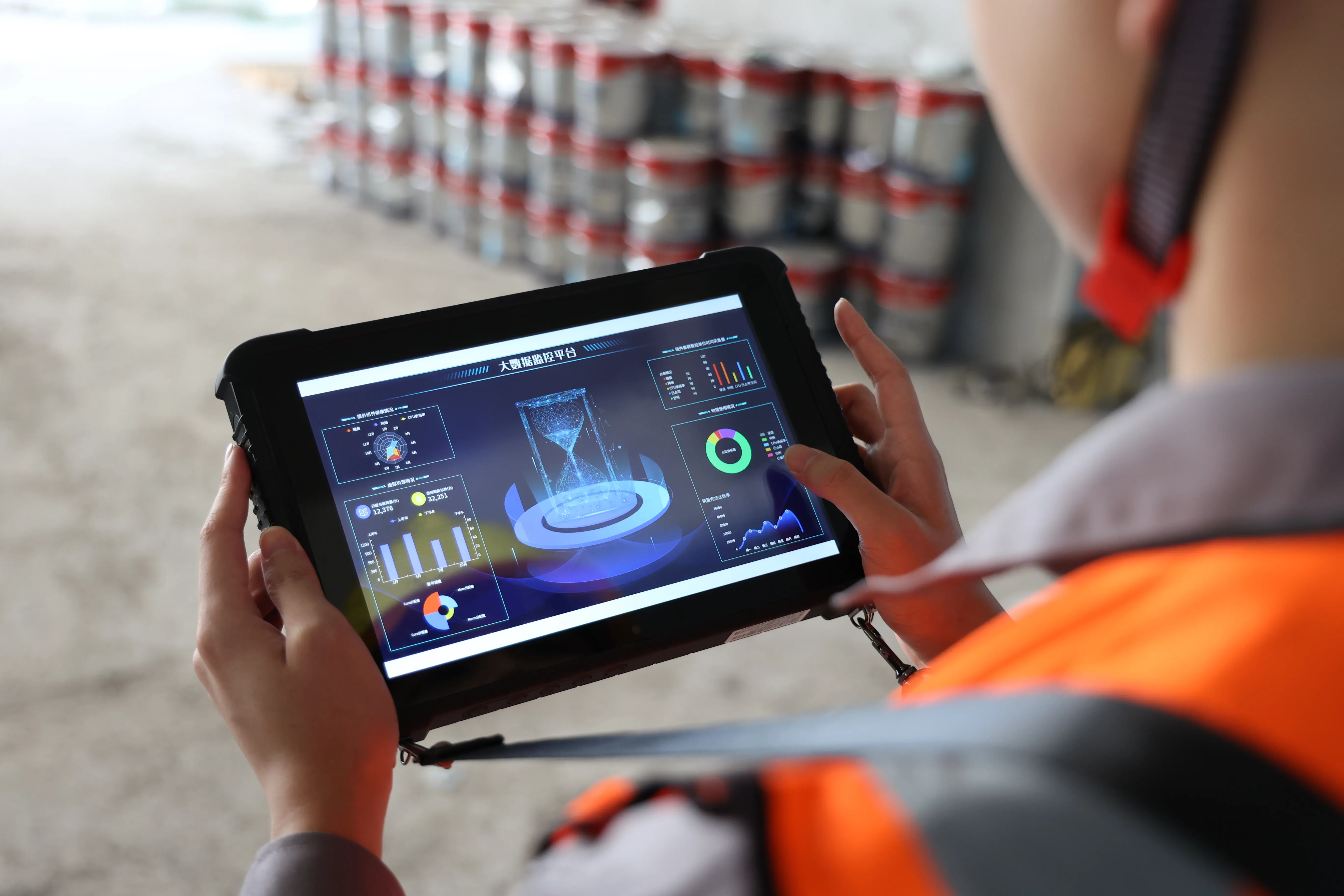
The deployment of rugged tablets in enterprise environments is driven by their robustness and reliability. These devices are built to meet stringent MIL-STD-810G and IP65/IP67 standards, ensuring they can operate in harsh conditions without compromising performance. By integrating these tablets into existing IT infrastructures, enterprises can achieve seamless data flow and enhanced operational efficiency.
For instance, in a polar expedition, where temperatures can plummet to -40°C, traditional consumer-grade devices would fail. Rugged tablets, with their wide temperature range, ensure that critical data collection and communication remain uninterrupted. Similarly, in a metallurgical blast furnace, where temperatures can soar to over 1000°C, these tablets provide the necessary durability and functionality to support real-time monitoring and control systems.
Industry Use Cases
Polar Expeditions
In polar expeditions, the primary challenge is the extreme cold, which can cause standard electronic devices to malfunction or fail entirely. Rugged tablets, with their ability to operate in a wide temperature range, address this pain point. These devices enable researchers and explorers to collect and transmit data, navigate, and communicate effectively, even in the harshest conditions. The integration of rugged tablets into the expedition's workflow ensures that all critical operations are supported, from environmental monitoring to emergency communications.
Metallurgical Blast Furnaces
Metallurgical blast furnaces present an environment of extreme heat, dust, and vibration. Traditional computing solutions are not suitable for such conditions, leading to frequent downtime and high maintenance costs. Rugged tablets, designed to withstand high temperatures and harsh environments, offer a reliable solution. They can be used for real-time monitoring of furnace parameters, quality control, and safety inspections. This integration not only enhances operational efficiency but also reduces TCO by minimizing downtime and maintenance requirements.
Total Cost of Ownership (TCO)
When considering the TCO of rugged tablets, it is essential to evaluate the long-term benefits they bring. While the initial investment may be higher compared to consumer-grade devices, the durability and reliability of rugged tablets significantly reduce replacement and maintenance costs. Additionally, the ability to integrate seamlessly with existing enterprise systems and workflows further enhances their value proposition.
By leveraging rugged tablets, enterprises can achieve a more resilient and efficient IT infrastructure. This not only supports day-to-day operations but also future-proofs the organization against the challenges of evolving industrial environments. For more insights on how rugged devices can transform your enterprise, explore our articles on rugged tablets and industrial PDAs.
Conclusion
The integration of rugged tablets into enterprise architecture is a strategic move for organizations operating in extreme environments. By addressing the unique challenges of industries such as polar expeditions and metallurgical blast furnaces, Onerugged provides a robust and reliable solution. These devices not only enhance operational efficiency but also contribute to a lower TCO, making them an indispensable part of any modern industrial setup.


Comments
Post a Comment