How IP65 Panel PCs Support Workshop Industrial Automation
Industrial panel PCs aren’t just rugged displays—they’re operational anchors on the shop floor. In workshop environments where coolant mist, metal shavings, and frequent wipe-downs are routine, a standard PC fails fast. That’s why IP65-rated front panels aren’t optional extras; they’re baseline requirements for sustained uptime in real-world automation deployments.
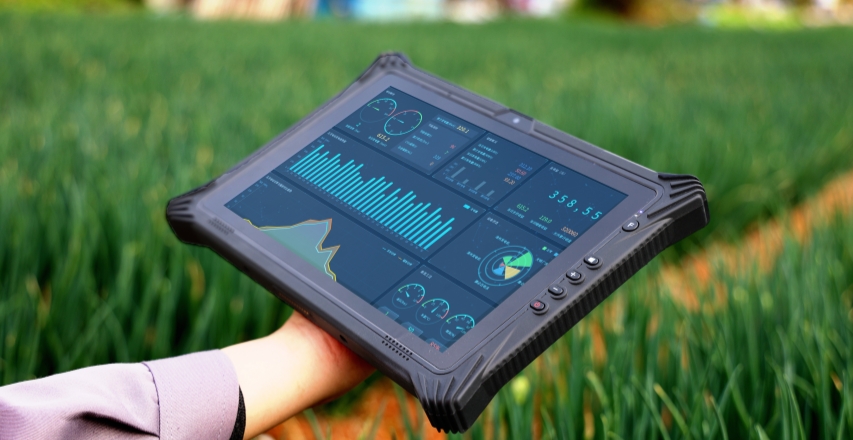
Workshop Equipment Automation Control with IP65 Front Panels
When PLCs need reliable human-machine interface (HMI) touchpoints near CNC machines or assembly cells, dust and splash resistance matter more than screen resolution. Emdoor’s P10A, P15A, and P21A models feature sealed front bezels rated to IP65—meaning they resist low-pressure water jets and full dust ingress. That’s not theoretical: it means operators can hose down adjacent workstations without powering down or covering the display. No gaskets to degrade, no seals to re-torque—just consistent operation through daily cleaning cycles and ambient shop-floor humidity.
These units also include industrial-grade RJ45 and RS232 ports, built for direct PLC linking without external converters. And because they run standard Windows IoT Enterprise, IT teams can manage them alongside other factory-floor endpoints via existing MDM tools—no custom agent required. You’ll find this compatibility especially valuable when scaling across multiple lines or integrating with legacy MES infrastructure.
MES Station Deployment with Wide-Temperature Tolerance
Wall-mounted MES stations often sit near ovens, chillers, or unconditioned mezzanines—environments where consumer tablets shut down at 40°C or freeze below 5°C. Emdoor’s panel PCs operate reliably from -10°C to 60°C. That range isn’t marketing fluff; it reflects component-level thermal design and passive heatsinking that avoids fan failure points. For procurement teams weighing long-term TCO, that translates directly into fewer field replacements and lower spares inventory costs over a 5-year deployment cycle.
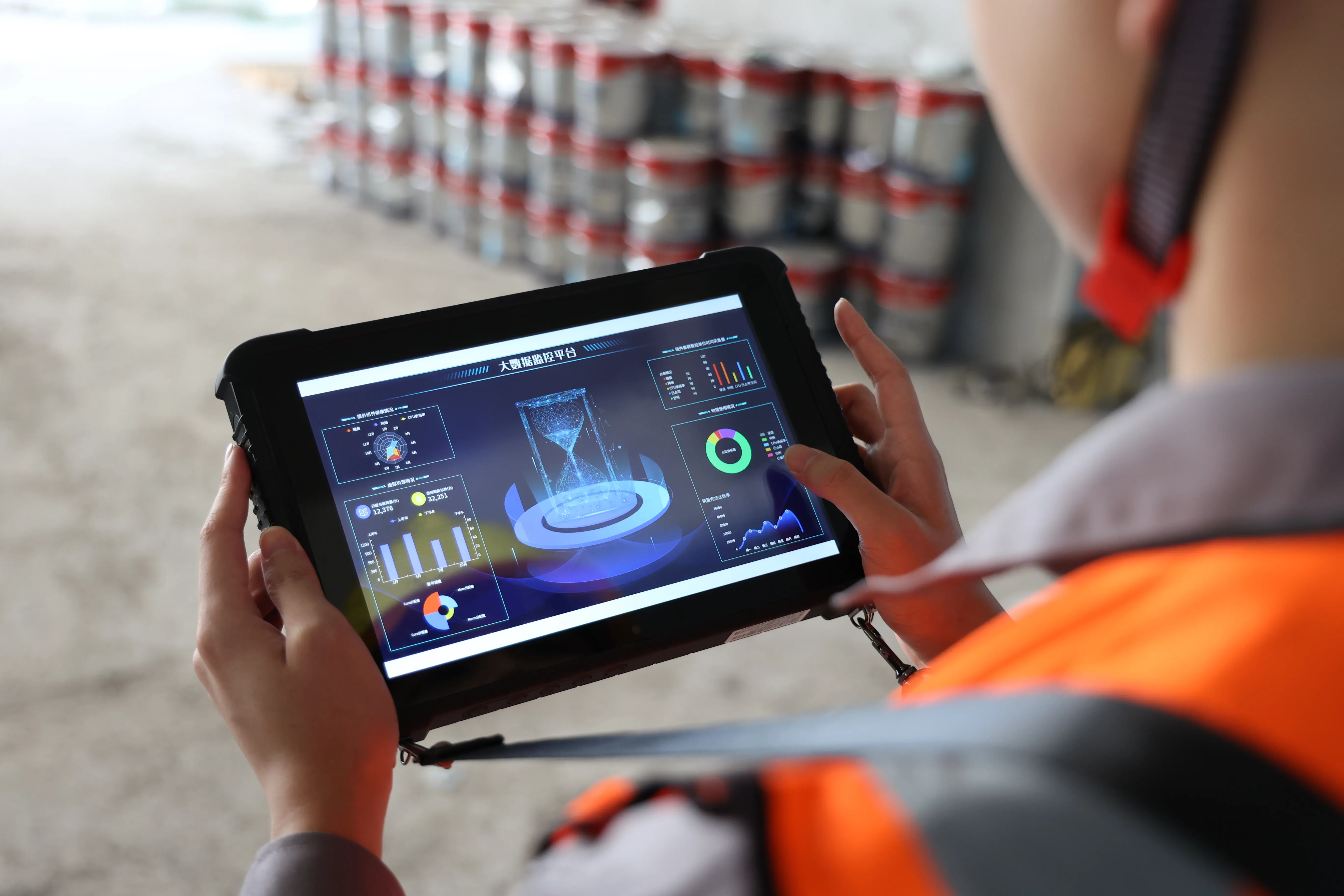
Real-Time ESOP Delivery with High-Definition Touch Displays
Digital work instructions only improve quality if they’re legible, responsive, and always available. The P10J, P15J, and P21J models use optical-bonded, high-brightness displays—engineered for readability under fluorescent and LED task lighting common in workshops. Glove-friendly touch response is calibrated for standard nitrile and cotton mechanics gloves, not lab-test conditions. And because these units boot fast and resume instantly from sleep, shift changes don’t mean waiting 90 seconds for the ESOP interface to reload.
For frontline users, that reliability adds up: no missed steps from frozen screens, no version confusion from stale PDF printouts, and no delays from rebooting after accidental splashes. It’s not about flashy specs—it’s about eliminating friction in the 37 seconds between one operator leaving a station and the next stepping up.
If you’re evaluating hardware for production execution systems, consider how rugged tablets and panel PCs reduce integration overhead—or explore how industrial PC durability impacts lifecycle cost in similar high-availability settings. For full technical documentation and mounting options, visit Onerugged.


Comments
Post a Comment