How IP65 Vehicle-mount Tablets Support Fleet Operations
Vehicle-mounted computing isn’t about bolting a tablet to a dash—it’s about ensuring consistent, reliable operation across shifting temperatures, vibration, dust exposure, and frequent power cycling. The Onerugged ecosystem includes purpose-built devices like the Emdoor EM-V80T, which reflects real-world deployment priorities for logistics, field service, and municipal fleet teams.
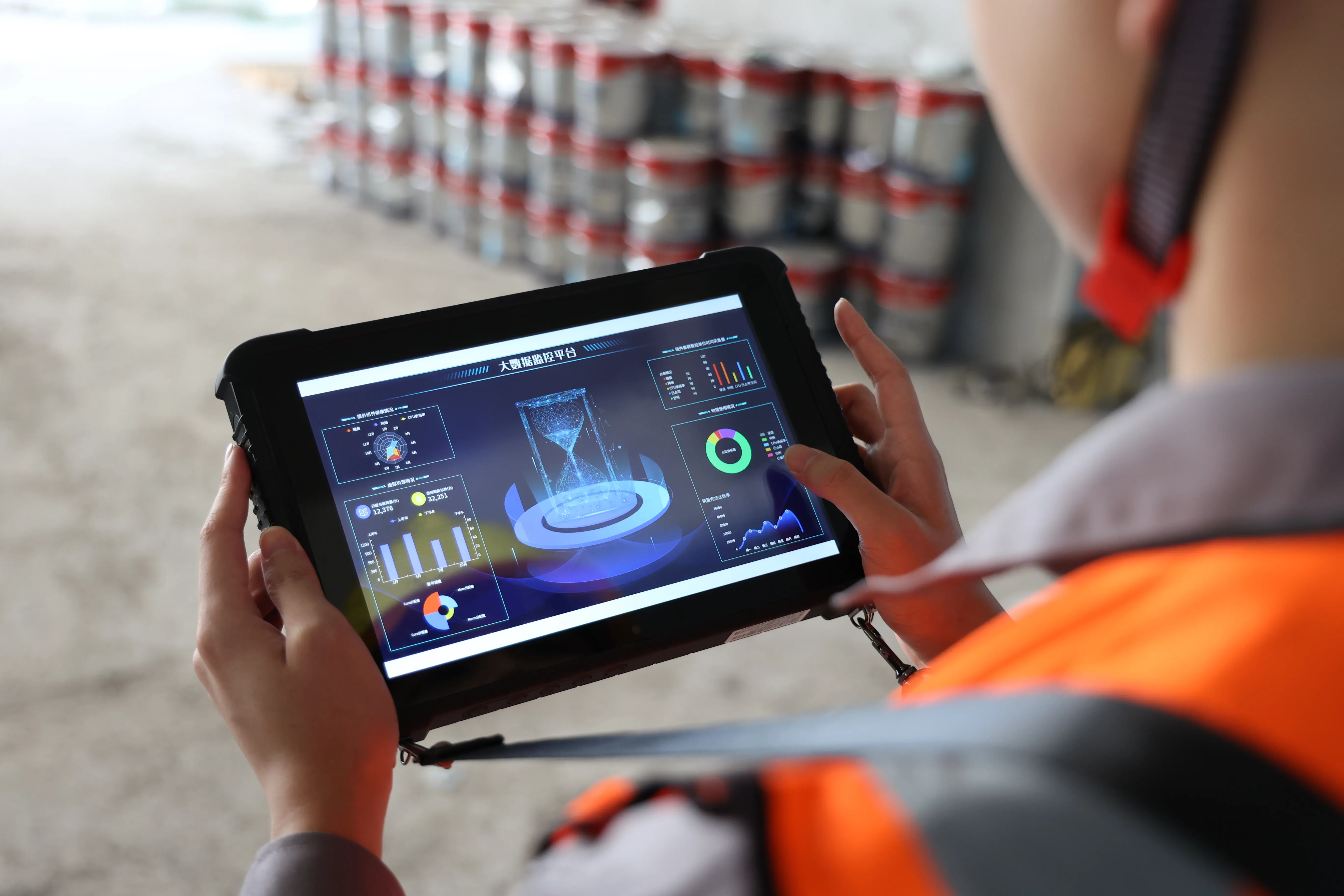
Fleet Dispatch & Real-Time Asset Tracking with IP65 Sealing
IP65 certification means full protection against low-pressure water jets and complete dust ingress prevention—critical when tablets are mounted near open windows, exposed to road spray, or operated in dusty depot environments. Unlike consumer-grade mounts that degrade after months of thermal cycling, the EM-V80T’s sealed chassis maintains integrity between -20°C and 60°C operating ranges—no condensation risk at 95% humidity. That’s not theoretical: it’s the difference between a device surviving three winters in a regional delivery van versus failing mid-shift during a rainstorm.
Why M12-12 Connectors Matter for Field Service Vehicles
The optional M12-12 ports (PORT1, PORT2, PORT3) aren’t just about ruggedness—they’re about maintainability. In mobile repair units or utility response vehicles, technicians need plug-and-play reliability. Standard USB-A or RJ45 connectors loosen over time from vibration; M12s lock in place with threaded couplings and retain signal integrity across 10,000+ mating cycles. Paired with RS232/RS485 and CAN bus support, this enables direct integration with engine telematics, liftgate controllers, or hydraulic monitoring systems—without external breakout boxes.

Outdoor Visibility and Glove-Compatible Touch in Municipal Fleets
At 1000 nits brightness—not just 700 nits as listed in basic specs—the display remains legible under direct noon sun on a city bus windshield or snow glare on a snowplow cab. That extra 300 nits isn’t marketing fluff: it directly reduces squinting, mis-taps, and task restarts during route verification or inspection checklists. Combined with 5-point capacitive touch that responds reliably through standard work gloves, it supports continuous operation without removing gloves in cold-weather conditions—a practical win for winter maintenance crews.
Android 12 (GMS) for Enterprise App Consistency
For IT admins managing mixed-device fleets, Android 12 with Google Mobile Services (GMS) means predictable app behavior, standardized security patch cadence, and compatibility with existing MDM tools like VMware Workspace ONE or Microsoft Intune. No sideloading gymnastics. No fragmented APK deployments. The built-in 4GB RAM + 64GB storage handles offline map caching, voice-guided navigation, and signature capture workflows—even when cellular drops out between tunnels or rural zones. Battery is modest (2000mAh), but vehicle power is primary: the DC 12V input eliminates battery anxiety during 12-hour shifts.
Deploying rugged tablets in mining operations demands more than shock resistance—it requires protocol-level interoperability and environmental resilience. For teams evaluating hardware for heavy-duty mobile use, reviewing rugged tablets in context helps align spec sheets with actual job-site constraints. Similarly, industrial PC integration in warehouse automation relies on deterministic I/O timing—details covered in our deep dive on industrial PC deployment patterns. And for frontline workflow optimization, the balance between screen real estate, mounting flexibility, and GNSS accuracy is explored further in enterprise workflows.


Comments
Post a Comment