Rugged Tablets for Warehouse Item Tracking with 4G and GPS
Warehouse operations live and die by visibility — not just of inventory on shelves, but of every item as it moves through inbound, sorting, loading, transit, and outbound. When tracking relies on delayed scans, paper handoffs, or spotty connectivity, exceptions pile up, SLAs erode, and labor hours stretch to cover avoidable gaps. That’s where purpose-built hardware enters the workflow — not as a ‘nice-to-have’ tablet, but as a durable node in the real-time data chain.
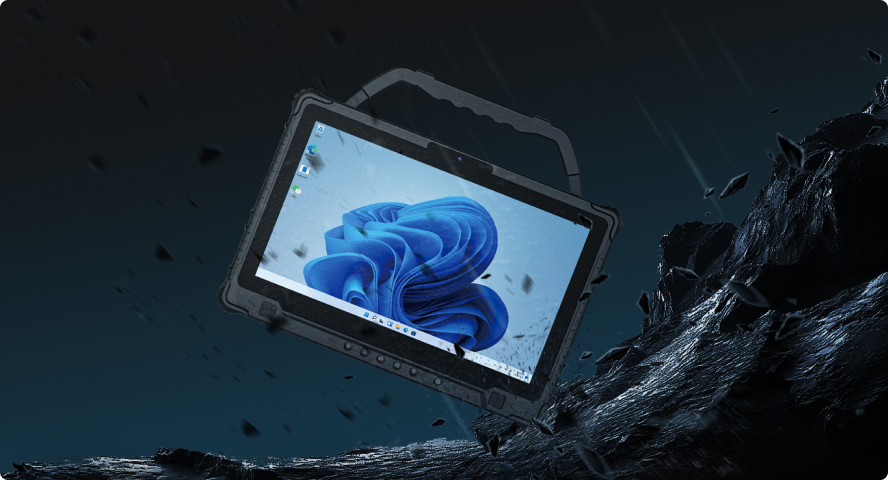
Warehouse Inbound Management with 4G Mobile Network Stability
Inbound staging areas are high-velocity zones: trailers backing in, pallets being unloaded, SKUs verified under time pressure. A dropped connection during barcode scan confirmation means re-scanning, duplicate entries, or worse — unrecorded receipts that trigger downstream reconciliation fires. The Onerugged rugged tablets referenced in Emdoor’s deployment context rely on stable 4G connectivity — not Wi-Fi handoff gymnastics or cellular fallback delays — to push scan events, timestamps, and operator IDs directly into WMS backends without buffering or timeout risk. This isn’t about peak bandwidth; it’s about consistent, low-latency acknowledgment in environments where cell signal can vary across dock doors and concrete bays.
Outbound Loading Verification with GPS Positioning Accuracy
When a trailer departs, knowing *where* it is matters less than knowing *that it left* — and confirming it against the planned load manifest. GPS on rugged tablets like the EM-Q86 isn’t marketed for turn-by-turn navigation. It’s used for geofenced event triggers: a scan + GPS coordinate stamp at the loading dock gate confirms departure, ties the action to location and time, and auto-updates shipment status. No manual log entry. No follow-up calls to drivers. Just deterministic, auditable data — especially valuable when integrating with TMS platforms or customer-facing tracking portals. For frontline users, this means one less step between scan and go.

Transit Sorting with Real-Time Scan-to-Platform Latency
Sorting hubs demand speed and certainty. Scanning a package mid-belt or at a chute requires instant feedback — not a spinning wheel or ‘sync pending’ message. That depends on more than processor speed: it hinges on radio stack reliability, antenna placement, and how the device handles brief signal dips in metal-rich sorting tunnels. The 4G module in these devices is tuned for rapid re-association, not theoretical throughput. And because the platform expects immediate ACKs, the tablet’s firmware prioritizes transactional integrity over background app updates — a subtle but critical distinction in shift-critical deployments.
Why durability specs matter beyond the datasheet
IP67 sealing isn’t just about surviving rain on a dock — it’s about withstanding daily wipe-downs with alcohol-based sanitizers in food-grade warehouses, or dust ingress during bulk material handling. MIL-STD-810G drop ratings translate directly to fewer mid-shift replacements when a device slips from a forklift operator’s gloved hand onto a concrete floor. These aren’t ‘extreme environment’ outliers — they’re baseline expectations in active logistics floors. You’ll find deeper technical context on temperature resilience in our guide to extreme temperature operation, and how rugged tablets reduce long-term cost of ownership in high-turnover roles — covered in rugged AI PCs deployments. For procurement teams comparing options, the buyers guide to rugged breaks down failure rate patterns across common use cases.


Comments
Post a Comment