Rugged tablets with IP65 and MIL-STD-810H for field inspections
Field inspectors don’t get the luxury of a climate-controlled office or a spare charger in the drawer. They’re on concrete pads at 6 a.m., inside humid substations, or standing knee-deep in gravel next to active infrastructure — all while running inspection checklists, capturing thermal images, scanning asset tags, and syncing data back to central CMMS systems. That’s where devices like the Onerugged portfolio — and hardware like the Emdoor EM-Q225MP — earn their place in real-world deployments.
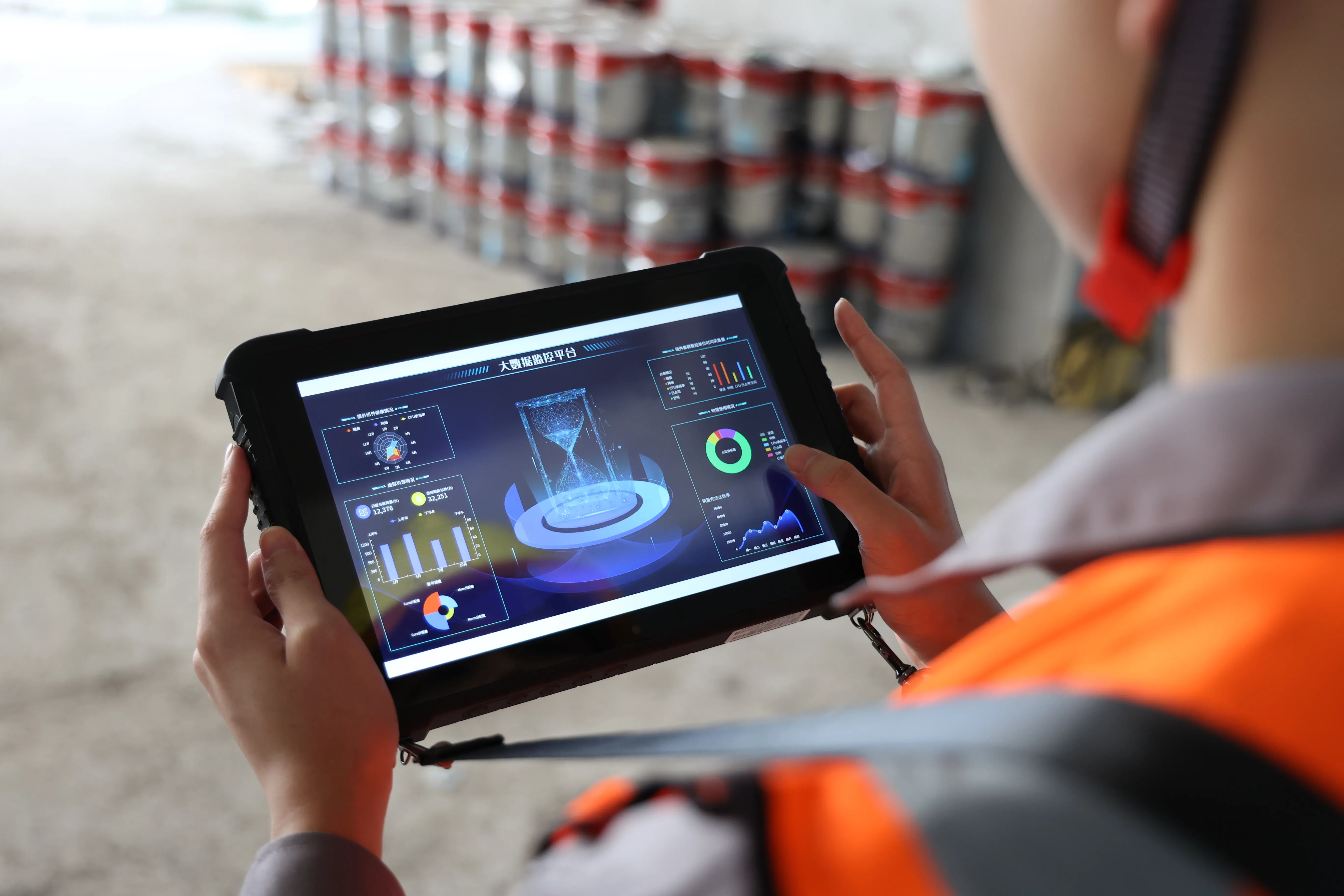
Field Inspections with IP65 and MIL-STD-810H Certification
IP65 isn’t just a number on a spec sheet — it means dust can’t settle inside the chassis during a windblown site walk, and low-pressure water jets from hose-downs or rain won’t interrupt a live thermal overlay or barcode scan. MIL-STD-810H adds another layer: it validates resistance to vibration, shock, and thermal cycling across real-world ranges (−20°C to 60°C operating, −30°C to 70°C storage). For inspectors moving between outdoor assets and indoor control rooms, that consistency matters more than peak CPU speed.
Outdoor Data Capture with 700-Nit Sunlight-Readable Display
A 12.2-inch 1920×1200 IPS screen at 700 nits doesn’t guarantee ‘see-everything’ clarity — but it does mean you won’t have to shade the screen with your hand or tilt the device awkwardly just to verify a valve position or read a corrosion report. The 16:10 aspect ratio gives more vertical space for forms and schematics without requiring constant scrolling. And since this is an Android 14 device with 10-point touch and GP930 stylus support, marking up PDFs or sketching annotations stays responsive — even with light gloves.

Infrastructure Maintenance with Dual Serial Ports and Gigabit Ethernet
Many legacy SCADA panels, PLCs, and RTUs still rely on RS232 or RS485. Having both ports built-in — not added via fragile dongles — cuts setup time and eliminates a common point of failure during commissioning or troubleshooting. Add in native Gigabit Ethernet (RJ45), Wi-Fi 6E, and 5G (across 13 bands including n77/n78), and you’ve got flexible connectivity whether you’re tethered to a site LAN, hot-spotting off a mobile router, or uploading high-res thermal video directly from the edge. This kind of I/O flexibility is why teams deploying rugged tablets for utility maintenance avoid retrofitting workarounds.
Why Removable 12,600mAh Battery Matters in Shift-Based Work
- No need to power down during lunch — swap batteries mid-shift and keep scanning.
- Removable design simplifies depot-level battery health checks and replacements, avoiding full-device returns.
- Paired with Android 14’s improved background task management, it delivers stable 7.9-hour video playback runtime — a realistic proxy for mixed-use field work.
Mobile Asset Verification with Integrated 1D/2D Scanning and NFC
Whether verifying transformer serial numbers, scanning QR-tagged cable trays, or reading HF-RFID wristbands on safety gear, having decoding built into the device — not bolted-on as an accessory — improves first-scan success rates. The rear 13MP camera supports fast autofocus and consistent depth-of-field at typical inspection distances (0.2–1.5m), reducing retakes and missed reads. That reliability feeds directly into audit-ready logs — critical when supporting rugged tablets for outdoor work with regulatory traceability.
Public Utility Field Operations with Full-Range GNSS
GPS alone won’t cut it near reinforced-concrete vaults or under dense canopy. With GLONASS, BeiDou, Galileo, and QZSS support baked in, geotagging for pole locations, manhole IDs, or vegetation encroachment reports stays accurate — even in urban canyons or rural right-of-ways. That’s why teams managing grid assets lean on devices certified to these specs when deploying rugged tablets for public utilities.


Comments
Post a Comment