Vehicle-mount tablets with IP65 and MIL-STD-810H for fleet operations
Vehicle-mounted computing isn’t about bolting a tablet to a dash—it’s about ensuring consistent uptime, reliable data flow, and intuitive interaction while the vehicle is in motion, idling in heat, or parked in freezing conditions. The Onerugged team sees this daily: field service crews, logistics dispatchers, and municipal fleet operators choosing hardware based on how it behaves—not just how it specs out on paper.
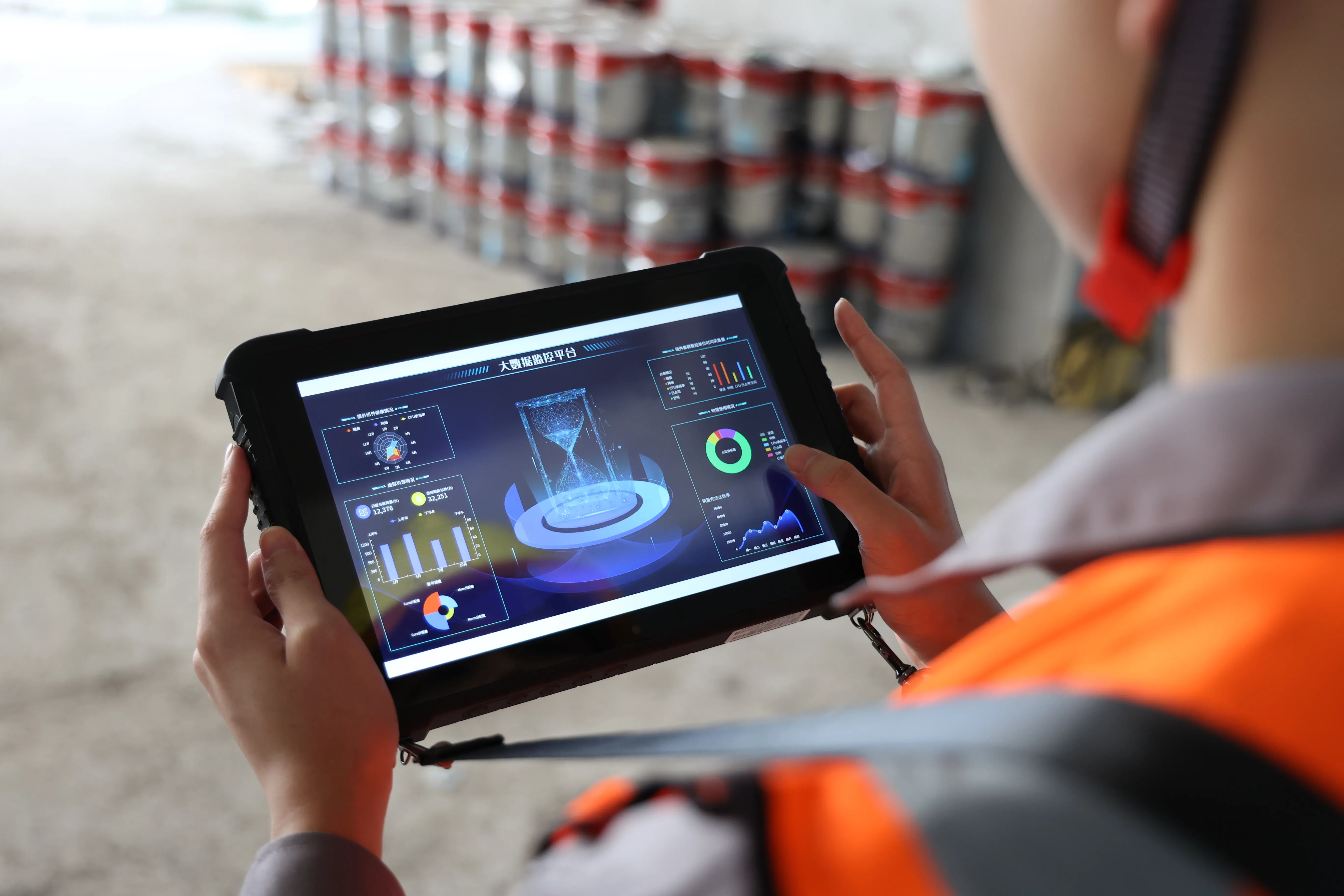
Fleet Dispatch Coordination with IP65 Sealing
IP65 isn’t just a rating—it’s the difference between a device surviving routine hose-downs during depot cleaning and one failing after six months of dust ingress near loading docks. For fleet dispatch teams managing 20+ vehicles across regional routes, sealed enclosures prevent moisture and particulate buildup inside ports and bezels—especially critical where USB-A, RS232, and optional M12-12 connectors are used daily for telematics gateways or printer tethering. Unlike consumer-grade mounts that rely on gaskets prone to compression set, IP65-certified units like the EM-V80T maintain integrity across temperature swings from -20°C to 60°C—no resealing required.
In-Cab Navigation Under Direct Sunlight with 1000 Nits Brightness
At noon on an asphalt lot, ambient light can exceed 8,000 lux. A 700-nit display fades; 1000 nits holds. That extra 300 nits isn’t marketing fluff—it’s what lets drivers confirm route deviations or verify delivery signatures without cupping their hands over the screen. The EM-V80T’s 8-inch IPS panel delivers wide viewing angles and consistent color fidelity even at sharp tilt angles common in cab mounting brackets. No auto-brightness lag, no thermal dimming—just stable luminance whether the cab is air-conditioned or sitting in 45°C ambient.

Why M12-12 Optional Ports Matter for Telematics Integration
M12 connectors aren’t legacy—they’re purpose-built for vibration resistance. In trucks, buses, or utility vehicles, standard USB or RJ45 ports loosen over time. The optional M12-12 interfaces on the EM-V80T (PORT1, PORT2, PORT3) lock in place with threaded coupling—critical when connecting to J1939 CAN buses, GNSS antennas, or ruggedized Ethernet uplinks. These aren’t ‘nice-to-have’ extras for proof-of-concept trials; they’re field-proven interface points for long-term deployments where cable retention equals data continuity.
Real-Time Asset Tracking with Multi-Satellite GNSS and 4G LTE
GPS-only tracking fails under urban canyons or dense foliage. The EM-V80T’s simultaneous support for GPS, GLONASS, and Beidou improves time-to-first-fix and positional confidence—especially useful for last-mile couriers navigating mixed-use zones. Paired with 4G LTE (not just Wi-Fi fallback), location updates remain consistent even when moving between coverage zones. Bluetooth 5.2’s isochronous channels also enable stable pairing with wireless headsets or badge scanners—no dropouts during voice-guided routing handoffs.
For procurement teams weighing total cost of ownership, durability specs like rugged tablets with MIL-STD-810H certification directly reduce replacement cycles. A 1.22m drop rating covers typical cab-mount dismounts and accidental slips during shift change. And because the unit runs Android 12 with GMS, existing fleet management apps deploy without porting—cutting integration overhead versus Linux-based alternatives. You’ll find more context on long-term reliability in our deep-dive on industrial PC TCO models.
Looking for field inspection use cases? See how similar vehicle-mount form factors perform in regulatory audits and equipment verification workflows: rugged tablets.


Comments
Post a Comment